
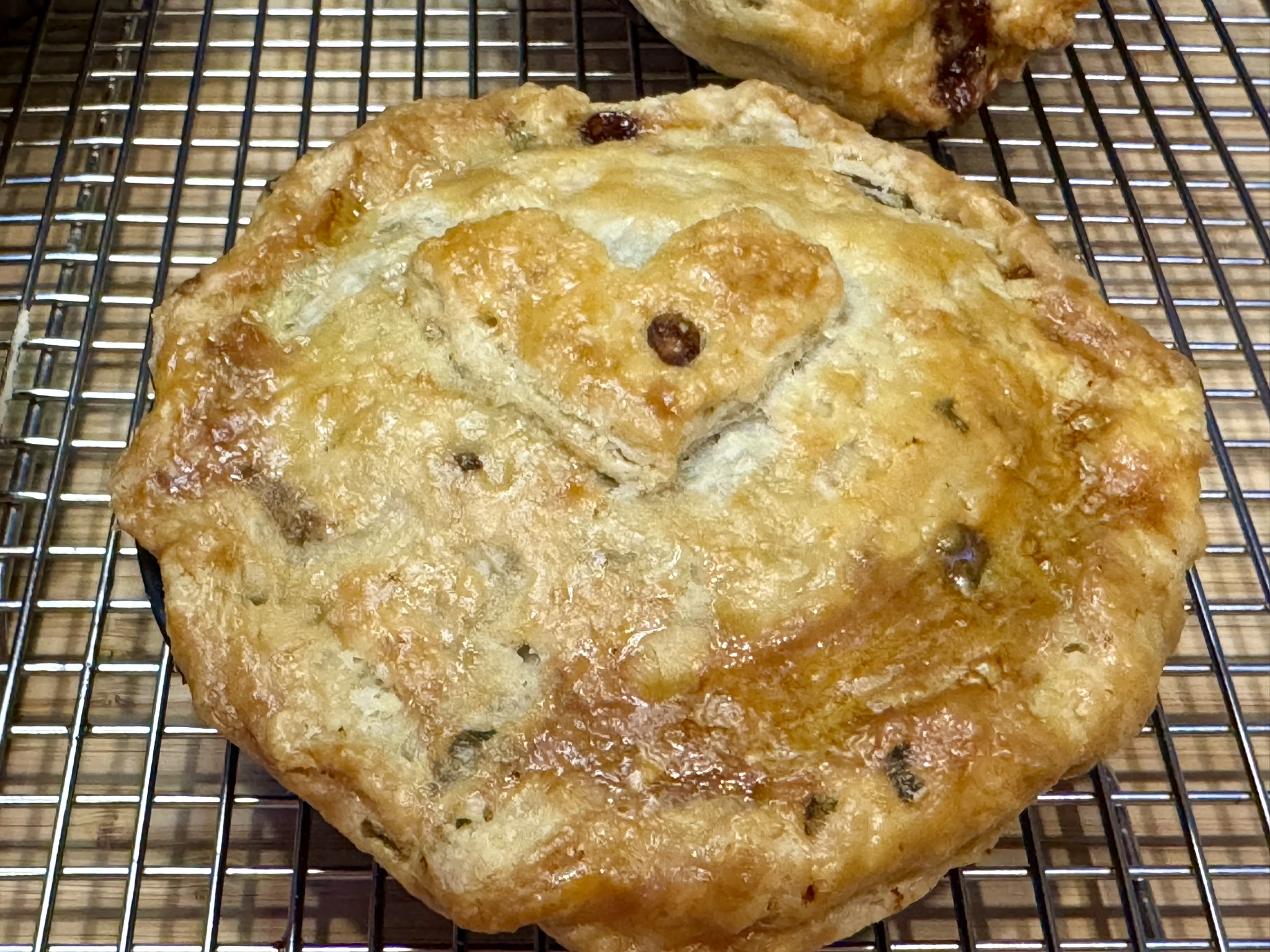
This recipe, sourced from Two Red Bowls, offers flexibility—you can complete it in one day or split it over two, with components freezable at various stages. Perfected for my family, it’s now shared with you. Whether enjoyed as a comforting family meal or shared with friends, these pies are sure to delight with their delectable blend of sweetness, saltiness, and caramelized goodness. Join me in creating—and savoring—these exquisite dishes, perfectly paired with Shanghai Bok Choy and Asian Smashed Cucumber Salad.

My husband and I strive to maintain a healthy diet, but we’re not overly strict about it. We typically opt for light, veggie-packed meals, occasionally indulging in more decadent dishes throughout the week. While we don’t overdo it, we do enjoy treating ourselves to delicious meals like this one. This famous Chinese dish, hong shao rou, boasts a rich history and numerous variations. Despite being a pot pie in this recipe, it’s surprisingly simple to make. This recipe serves four, but it can easily be scaled up for larger gatherings.
For a lighter option, consider using an oven-safe bowl, like this Williams Sonoma cereal bowl, and adding just the top crust. This method works well for pot pies when you don’t plan on freezing the baked pies.


Shanghainese Red-Cooked Pork Mini Pot Pies
Ingredients
Method
- Take the butter out of the freezer and allow it to thaw briefly while you prepare the dry ingredients. Combine the flour, salt, and sugar by sifting them together. Sprinkle the green onions over the mixture and mix briefly to incorporate. Use the coarsest holes on a box grater to grate the frozen butter into the flour. Gently mix with your fingers until no clumps larger than peas remain. Sprinkle 3 tablespoons of ice water and all of the rice wine evenly over the mixture, then stir with a wooden spoon or your hands until it holds together when squeezed. If needed, add more ice water, a tablespoon at a time, until the mixture reaches the desired consistency. Knead gently a few times to form it into a dough. Divide the dough into two balls and flatten each into a disk. Wrap each disk in plastic wrap and refrigerate for at least an hour or up to a day. For longer storage, freeze the dough.
- In a large pot, bring water to a boil and add the pork, ensuring it is fully submerged. Boil for approximately 5 minutes, periodically removing any foam that accumulates on the surface. Drain the pork and rinse it thoroughly to eliminate any impurities. Allow it to cool before slicing into 1-inch pieces if necessary.
- In a large wok over medium-high heat, combine sugar with 1/4 cup of water, stirring until the sugar is just dissolved. Maintain the heat and allow the mixture to bubble; swirl the wok gently without stirring. Once it starts to turn golden, Reintroduce the cubed pork to the wok and sauté with the caramelized sugar for approximately 4 minutes, or until the pork is browned.
- Add the garlic, green onions, star anise, soy sauce, and rice wine to the wok, then add just enough water to barely cover the pork. Sitr, then bring to a simmer. Turn heat to low, cover and simmer over low heat for about 60-90 minutes, or until the pork is tender to your liking. (Mine took 90 minutes.) The liquid shouldn't simmer down too much, but if the pot looks like it's starting to boil dry, add enough water to cover the pork again. (Note: If you want to divide the labor between two days, you can store the pork overnight at this point. Letting it hang out in the braising liquid for an extended period of time only improves the flavor. Also, when I did this, I smashed some of the pork cubes into smaller pieces before reducing in the next step.)
- Once the pork is tender, remove the cover and turn the heat back to medium-high. Remove about 2 Tbsp of the braising liquid and whisk the cornstarch into the liquid in a small bowl until incorporated. Set aside. Simmer until the sauce reduces to a thick and glossy consistency. For me, this takes about 10-15 minutes, depending on the amount of liquid. When the sauce has reduced significantly, add the cornstarch mixture back to the pork and stir to incorporate. When sauce is thick and viscous, turn off the heat and set the pork aside to cool. (Note: The cornstarch is included here to avoid a soggy pie crust. If you're looking to serve the pork as its own dish, feel free to omit.)
- Remove the star anise, garlic, and ginger pieces from the filling. (Hopefully, you can find all the anise, but my ginger and garlic disappeared nicely!) Smash or dice some of the remaining larger pork pieces into smaller pieces or shred using a fork. If you used ribs with the bone in, remove the bone. (Note: This is a good time to freeze the filling, if needed.) Preheat your oven to 400 degrees.
- Remove the pie dough from the fridge and let thaw for a few minutes. Place a portion of dough on a piece of parchment paper (or a pastry mat) and roll it out to about 1/8-inch thickness. Cut dough into generous circles for the base of your pies, aiming to size the circles so that there is generous overhang on the edges once placed into the molds. Repeat this step as necessary until all your molds are lined. Chill the other pie dough and assembled pie crusts while you work with the portion you have.
- Spoon in a generous helping of the pork mixture. For a 5-inch mini pie pan, this was about 3/4 to 1 cup. Roll out your remaining pie dough and top the pies with smaller pie circles (about the same diameter as the mold). Seal around the edge of the pie then fold the overhang from the bottom crust over the pie "lid" and crip to seal. Use a fork to prick holes in the top. You can use leftover dough to make decorations or skip that. Optionally, you can beat an egg with a splash of water or milk and brush the pie crusts with the egg wash, and/or sprinkle the crusts with a bit of decorative, flaky sea salt.
- Finally, line a sheet pan with foil (unless you love to scrub pans!) Place each pie on the lined sheet pan. Bake at 400 ℉ until golden brown on top, about 30-45 minutes. Let cool briefly and serve!
Notes
- This recipe makes a hearty, satisfying pie. To make it lighter, you can halve the amount of pie crust dough and make single-crust pies with the crust on top only.
- I used 5-inch Norpro miniature pie pans for these pies, which I bought from Amazon.
- Cornstarch is added to thicken the sauce and avoid a soggy crust. It’s optional, so feel free to skip it if you don’t have any or if you’re making the pork separately.
- The red cooked pork comes together easily and is so flavorful! If not making pot pies, I’d suggest not reducing the sauce too much as it’s really good when you serve this with rice.
Recipe sourced from Two Red Bowls. Head on over there and see what Cynthia’s been cooking lately.
Let me know If you enjoyed this recipe, it would mean the world to me if you shared it with a friend, liked it on YouTube, posted it to your Instagram story, or even just tapped the “Like” button at the bottom of this page. Word of mouth is what helps RobinandWillow grow, and I really appreciate each and every one of you ◡̈ I hope you have a great rest of your week!